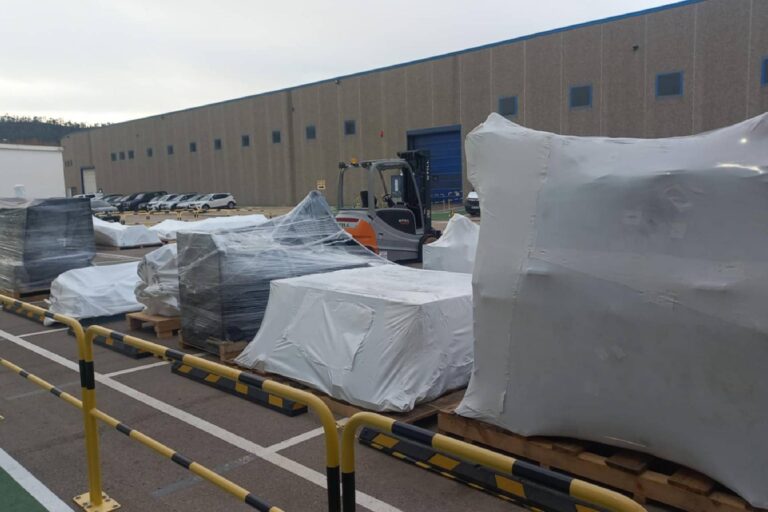
In today’s rapidly evolving industrial landscape, where organizational changes, modernization, and production optimization are routine, the relocation of industrial machinery has become a critical and often indispensable process. This relocation—which involves the disassembly, transport, and reassembly of machines and production lines—requires precise planning, technical expertise, and adequate resources to ensure the entire operation is conducted safely, efficiently, and effectively.
What is industrial machinery relocation?
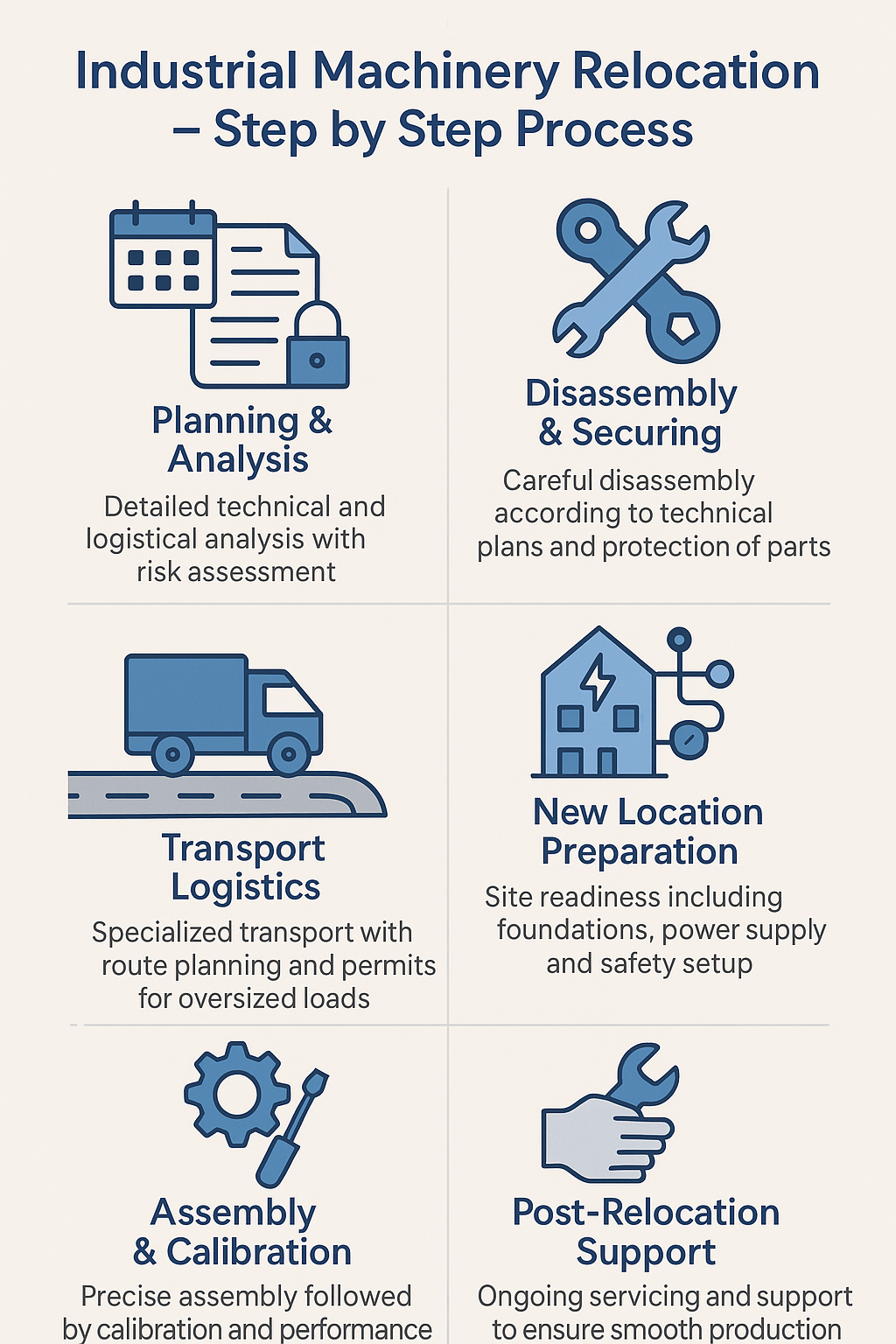
Industrial machinery relocation involves moving production equipment from one location to another. This process can pertain to individual machines, entire production lines, or even complete industrial plants. In practice, it is a complex logistical and technical operation that includes:
- precise disassembly and securing of machinery,
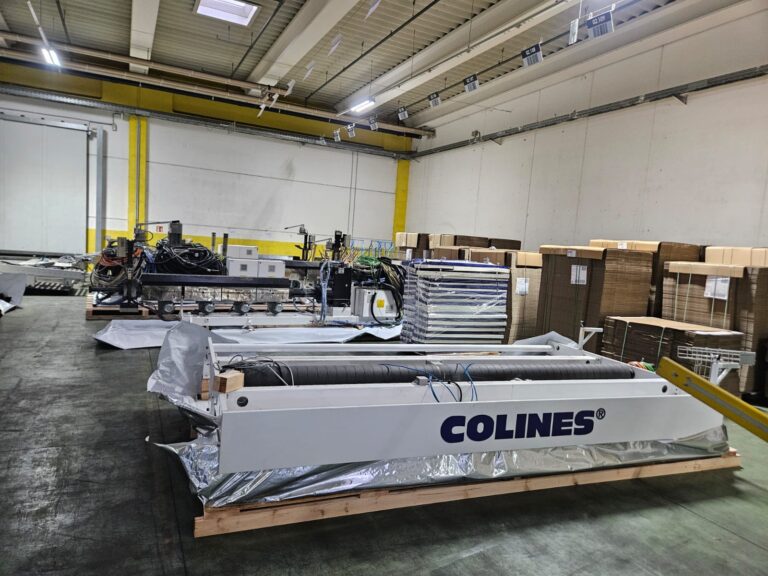
- transportation (often specialized, taking into account the size and weight of the equipment),
- preparation of the new site for the equipment,
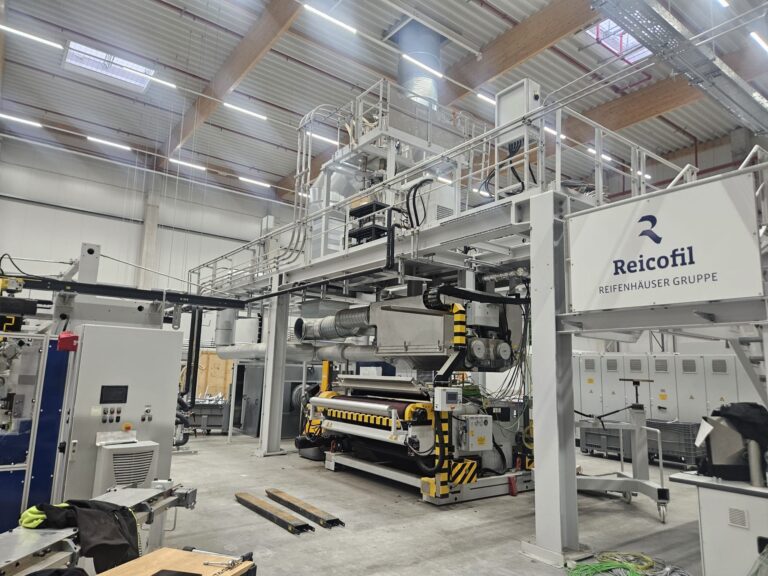
- reassembly, calibration, and operational testing.
Many entrepreneurs and production managers choose relocation to optimize processes, reduce costs, enter new markets, or as a result of organizational changes within the facility.
Key Challenges in Industrial Machinery Relocation
Although this process is obviously necessary, it is highly complex and requires careful attention to numerous technical and organizational aspects.
1. Weight and Dimensions of Machinery
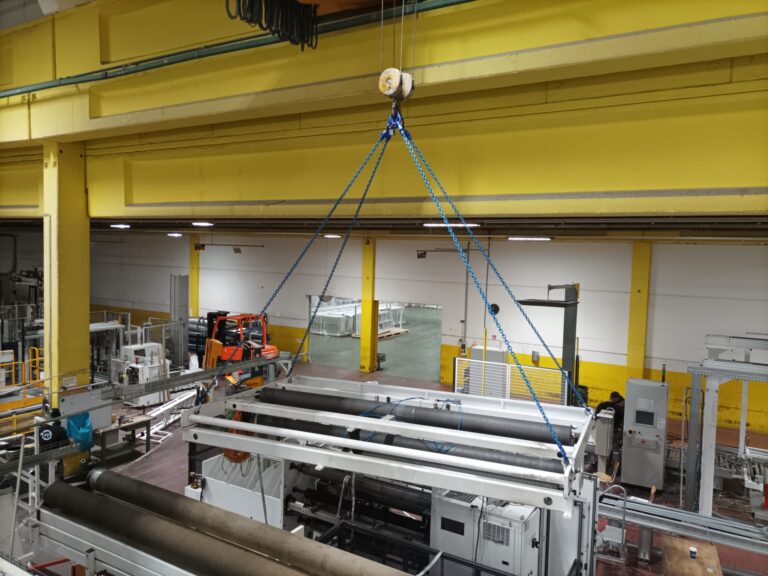
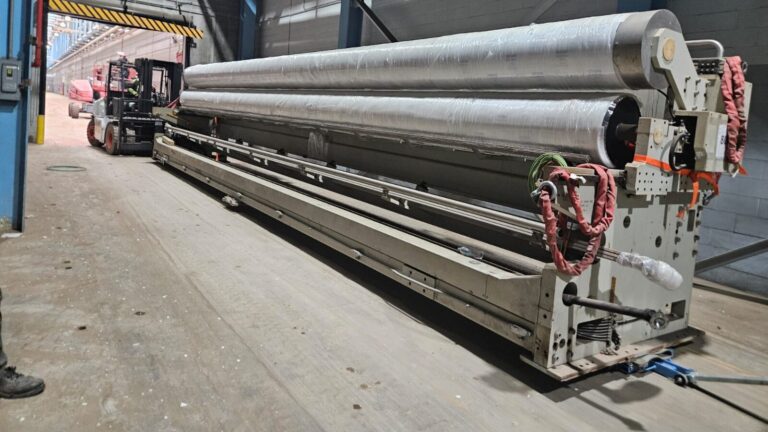
Industrial machines often weigh from several to tens of tons, and their dimensions significantly complicate transport and handling. Therefore, specialized lifting and moving equipment, such as overhead cranes, forklifts, and hydraulic platforms, are required.
2. Disassembly and Securing
Disassembly must be carried out according to a detailed plan that takes into account the machine’s construction, support points, and areas vulnerable to damage during transport. Each component should be properly secured to prevent damage or deformation.
3. Transportation Logistics
Transportation of industrial machinery often requires permits for oversized loads, as well as specialized transport vehicles. It is also necessary to plan the transport route carefully, taking into account infrastructural limitations such as bridges, overpasses, and narrow roads.
4. Preparation of the New Location
The new location must be properly prepared—from technical foundations, such as foundations and power connections, to considerations related to safety and workplace ergonomics.
5. Assembly and Calibration
After the machine is delivered, precise assembly is required, followed by calibration and performance testing to ensure the equipment operates according to production specifications.
Best Practices in Industrial Machinery Relocation
Detailed Analysis and Planning
Every relocation should be preceded by a detailed technical and logistical analysis. It is advisable to prepare a work schedule, identify key risks, and assign responsible personnel.
Collaboration with Experienced Specialists
Engaging companies specialized in industrial machinery relocation ensures that all stages of the process are carried out in accordance with applicable standards and safety regulations.
Documentation and Inventory Management
Thorough documentation of the disassembly, transport, and assembly processes facilitates subsequent maintenance and streamlines potential repair procedures.
How to Choose a Company for Machinery Relocation?
Choosing the right technical partner is crucial for the success of the entire project. Here are some tips:
- Check experience and references from similar projects,
- Inquire about certifications and implemented safety procedures,
- Ensure that the company has the appropriate equipment and technical expertise,
- Pay attention to the scope of services offered — whether they also include servicing and support after the relocation.
Summary
Industrial machinery relocation is a process that requires high precision, technical expertise, and thorough planning. Every stage — from disassembly, through transport, to assembly and testing — must be executed with the utmost care to avoid costly downtime and equipment damage. Collaborating with an experienced partner who understands the industry’s specifics and possesses modern equipment guarantees success and smooth production continuity.
If you are planning to relocate machines or entire production lines, it is worth consulting the experts at rjtmontech.com, who offer comprehensive relocation services tailored to the needs of every enterprise.